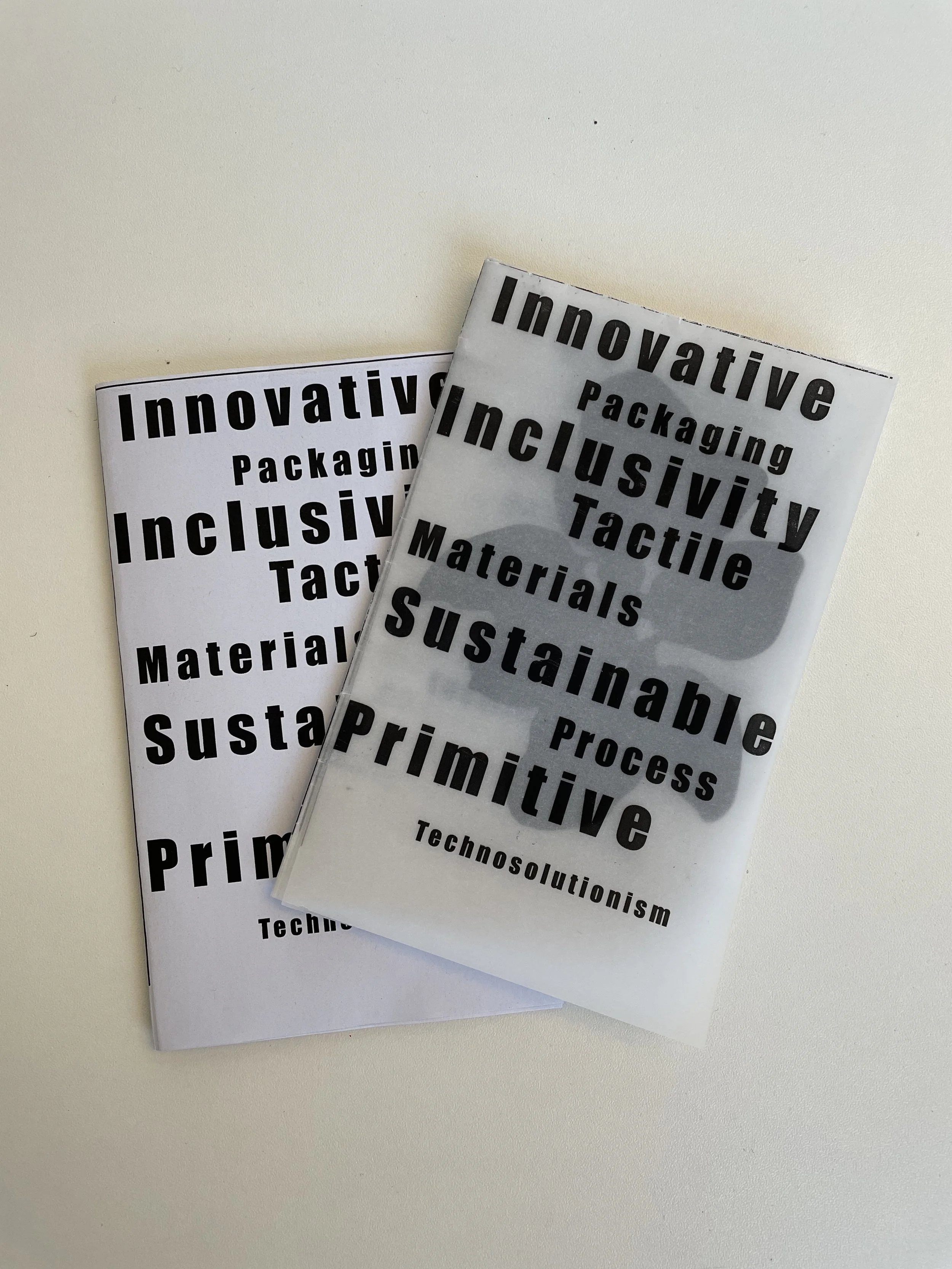
My Master’s research explored how packaging could be designed around touch as a primary form of interaction, rather than treating it as a secondary consideration to sight. I questioned the conventional approach to Braille on packaging, where plastic labels are often added after the packaging has been designed, creating both recycling challenges and an experience that can feel separate from the wider design. Through engagement with blind and partially sighted communities, including Henshaws, I explored how placing touch at the centre of the design process could create a more engaging and
inclusive experience without compromising the visual experience for sighted consumers.
This led to a series of packaging concepts where Braille, texture and tactility became integral to the identity and interaction
of the product.
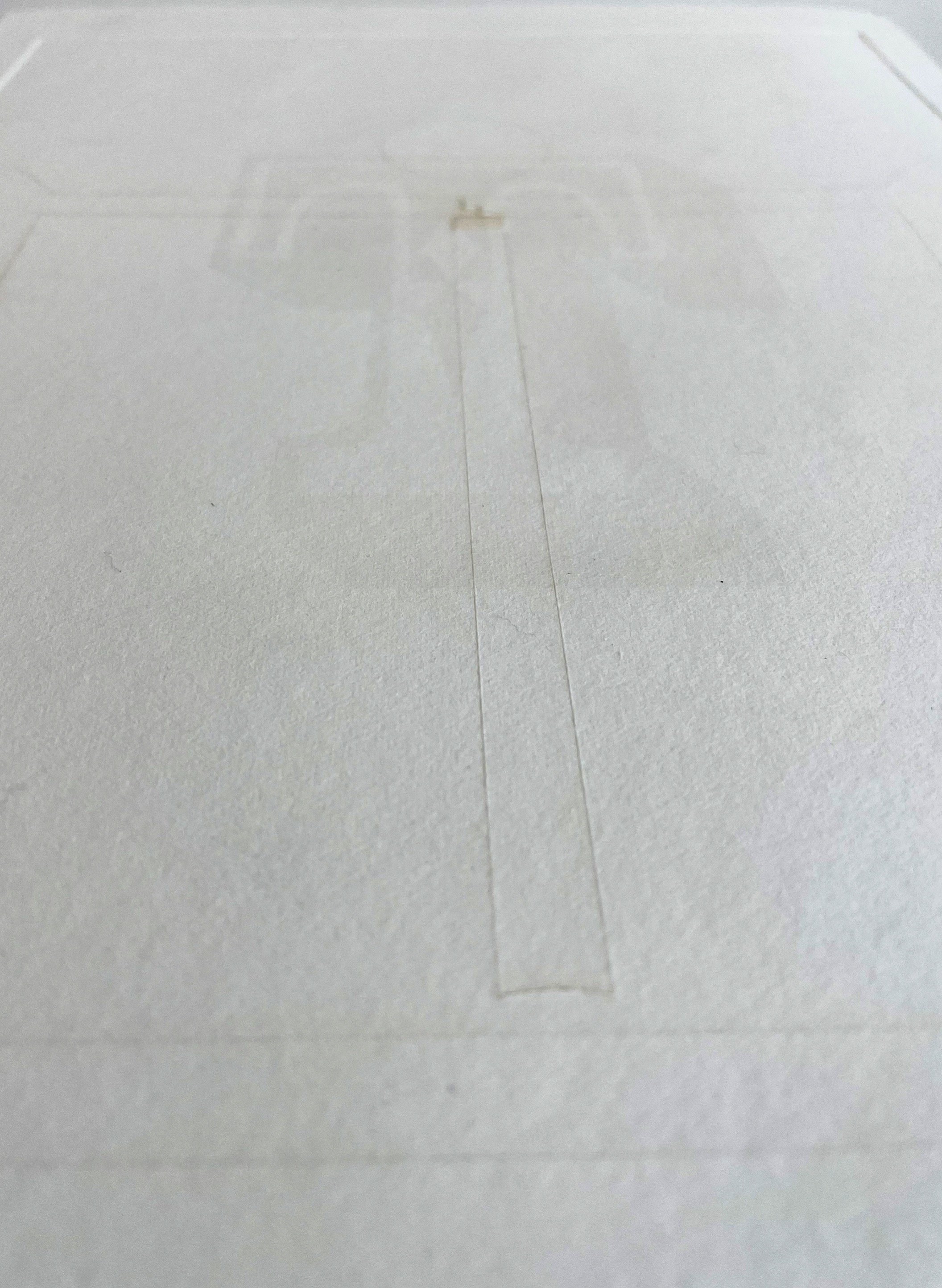
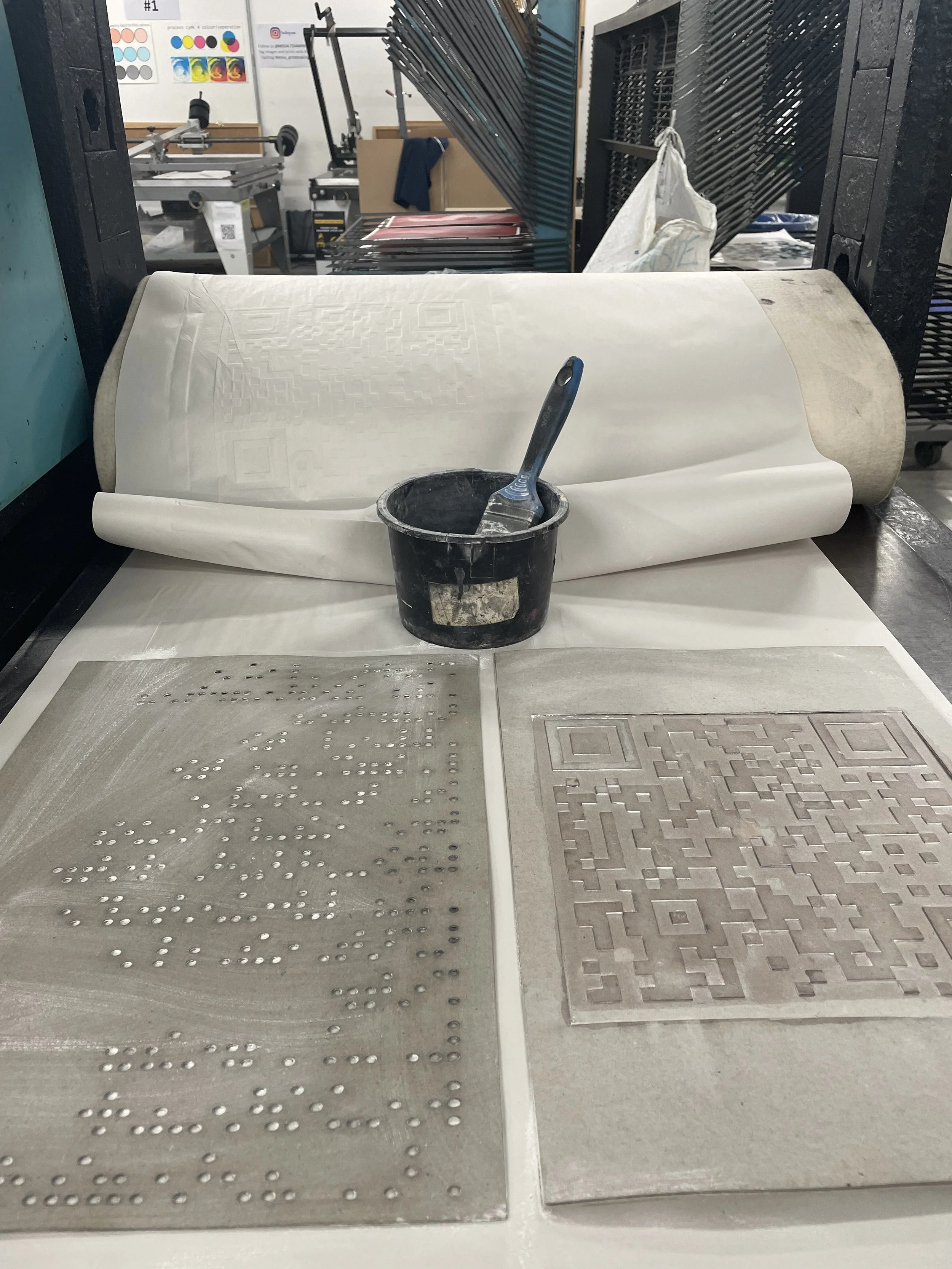
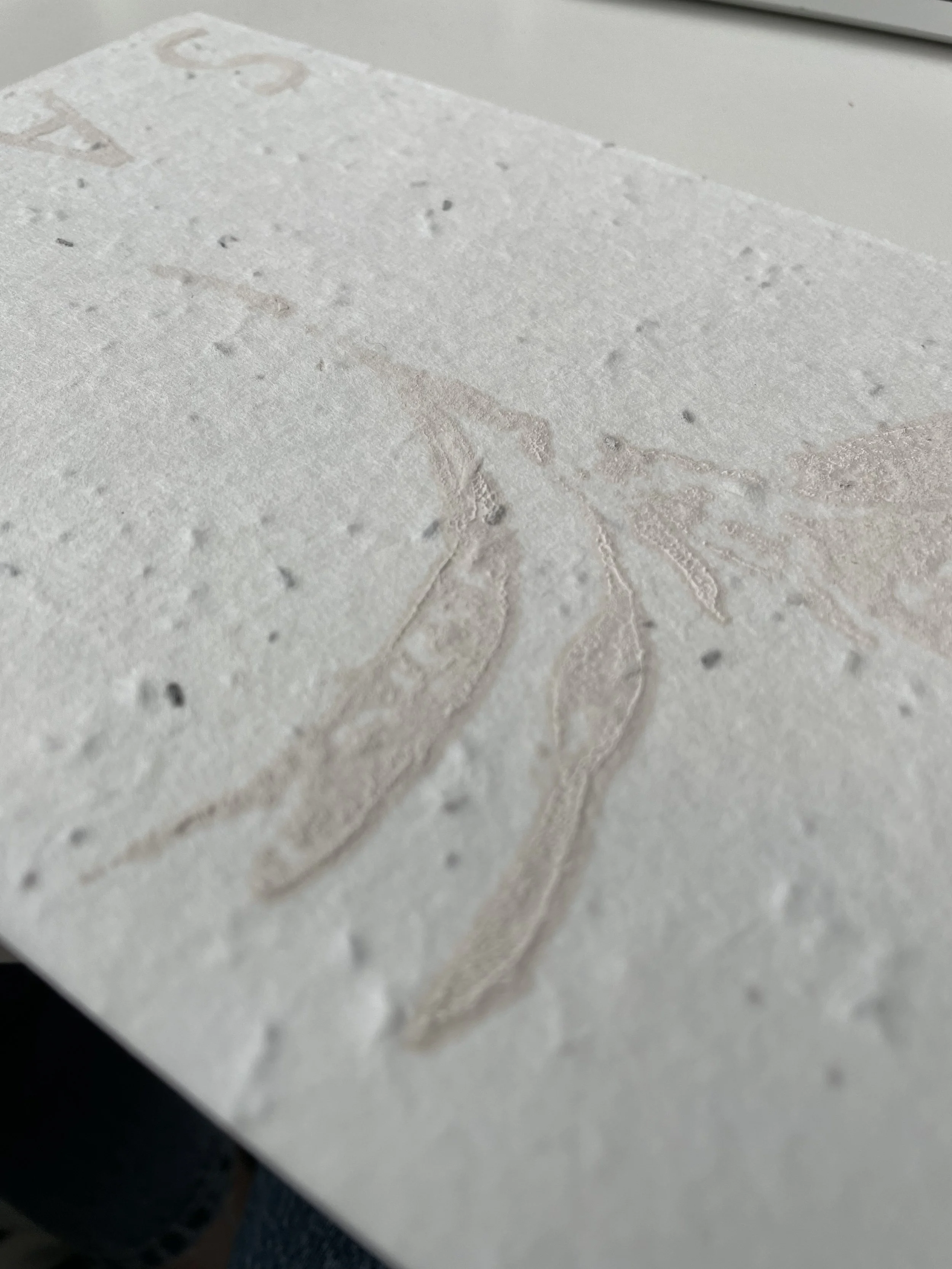
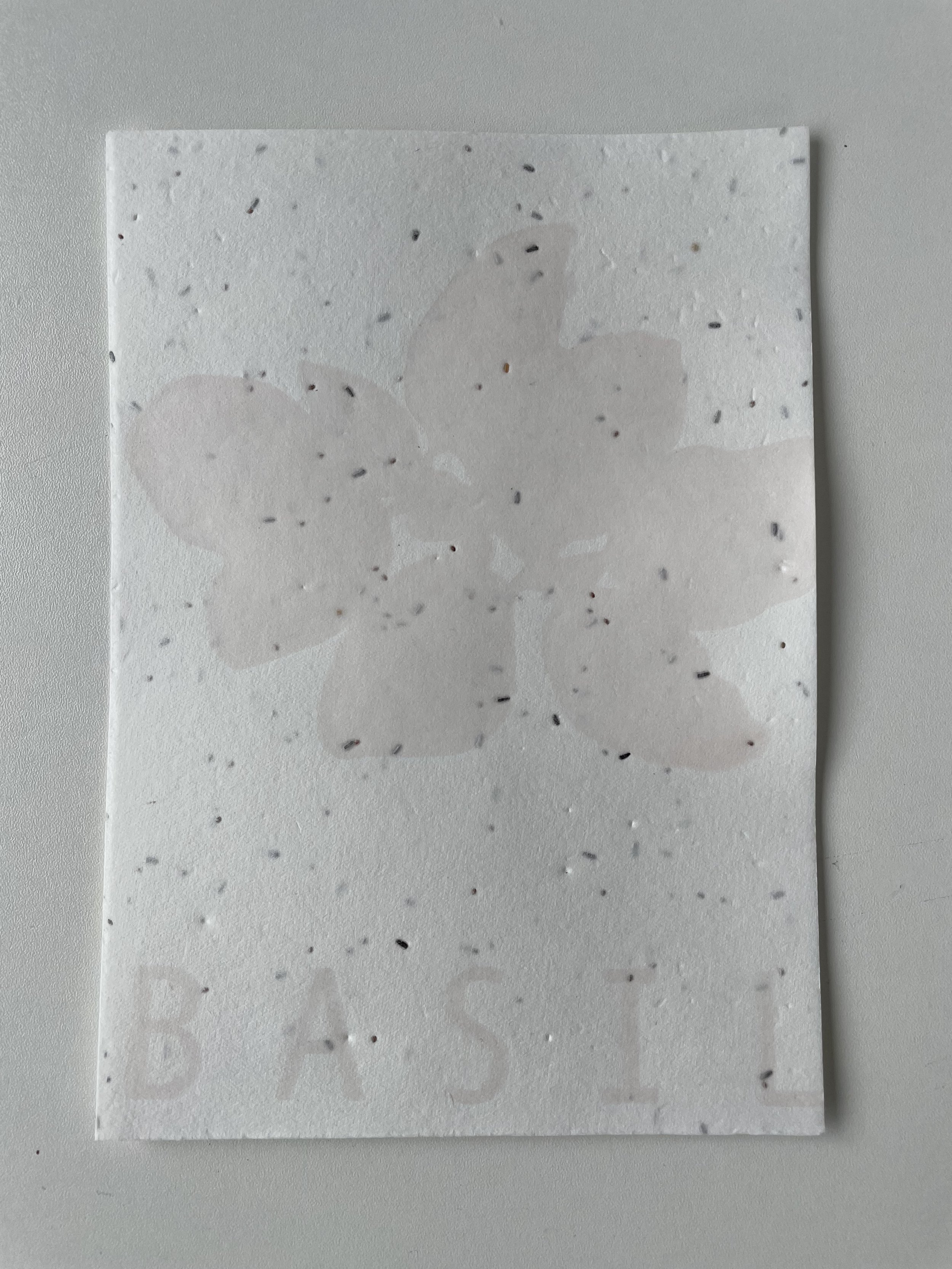
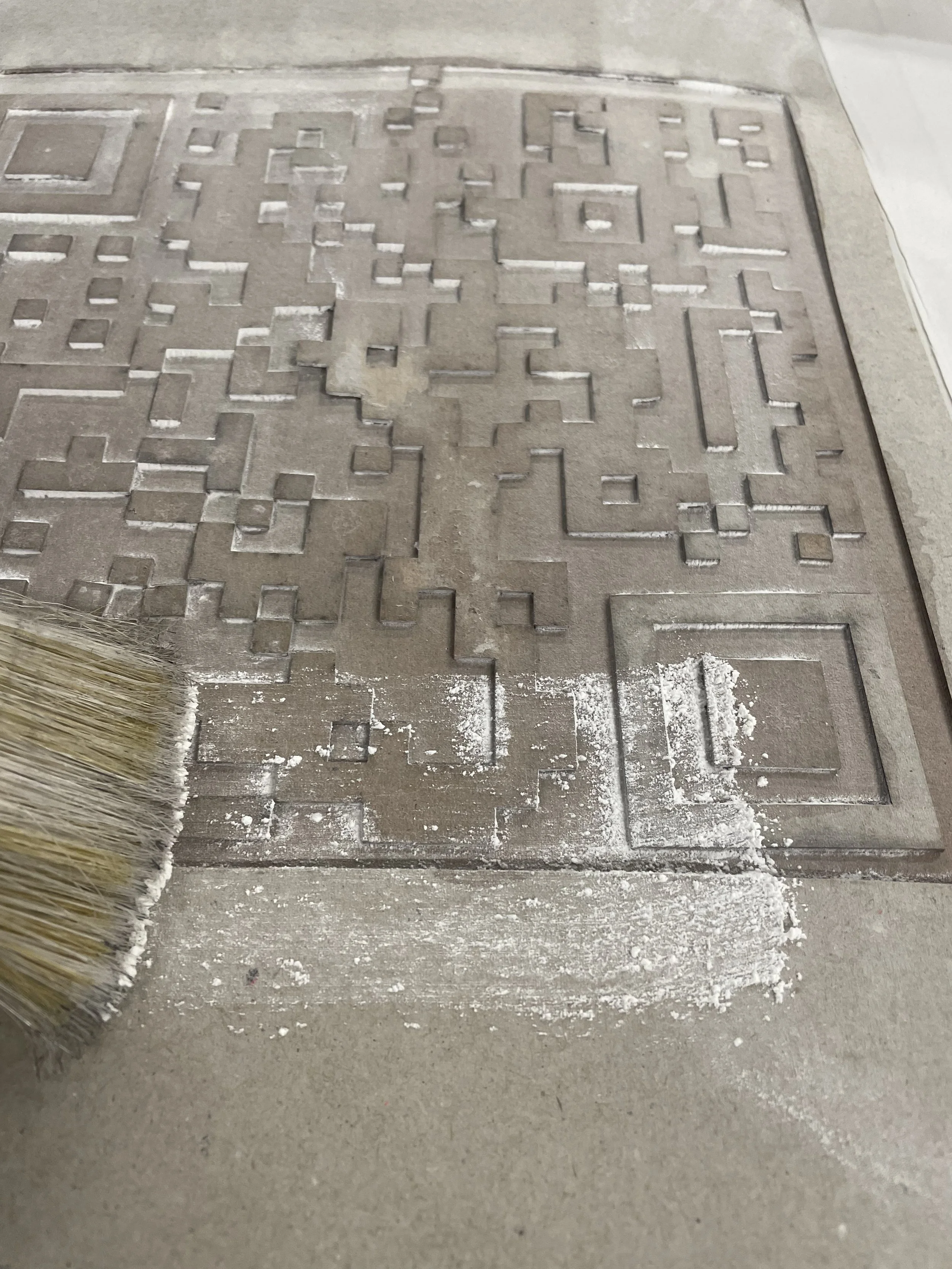
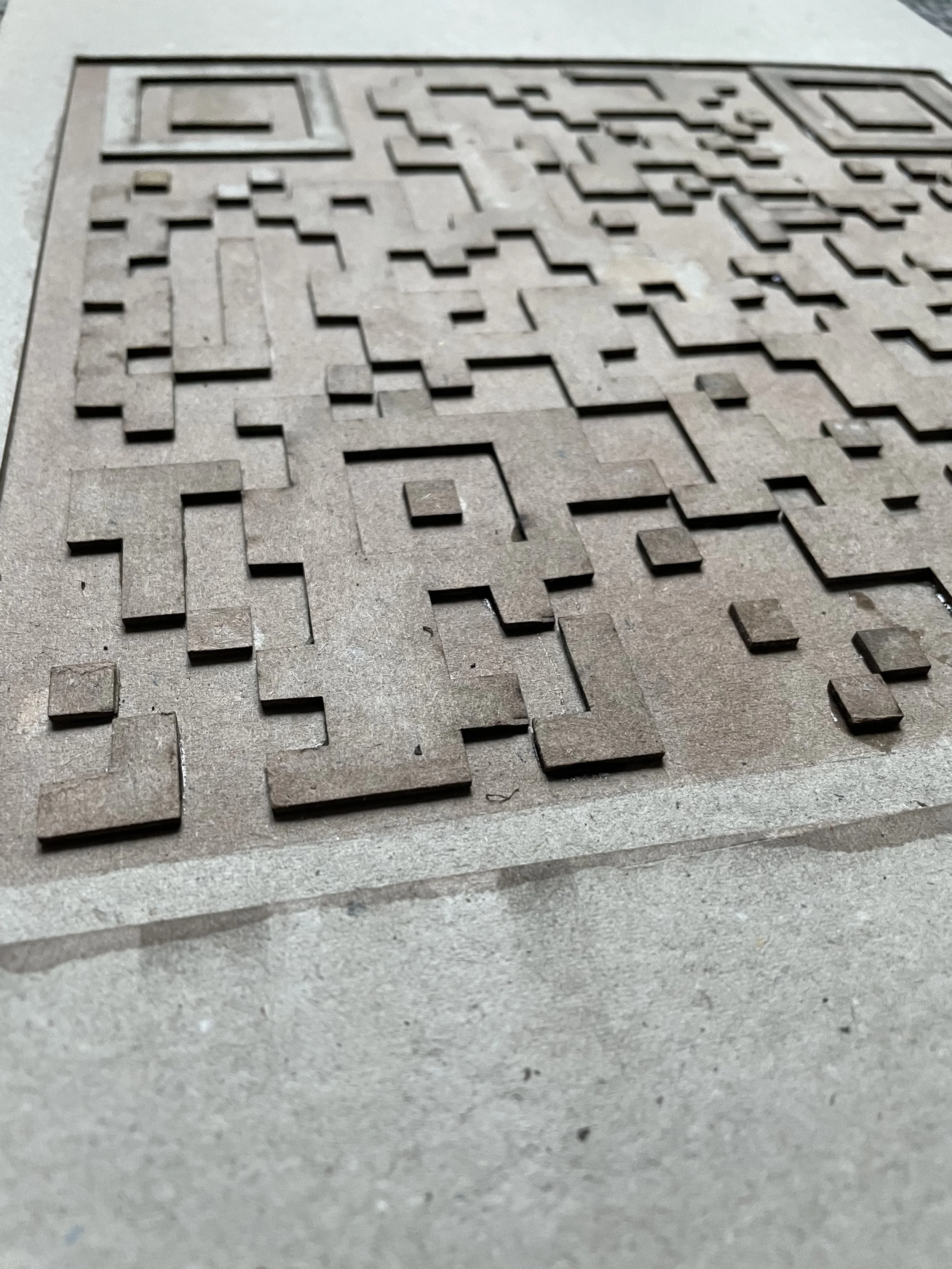
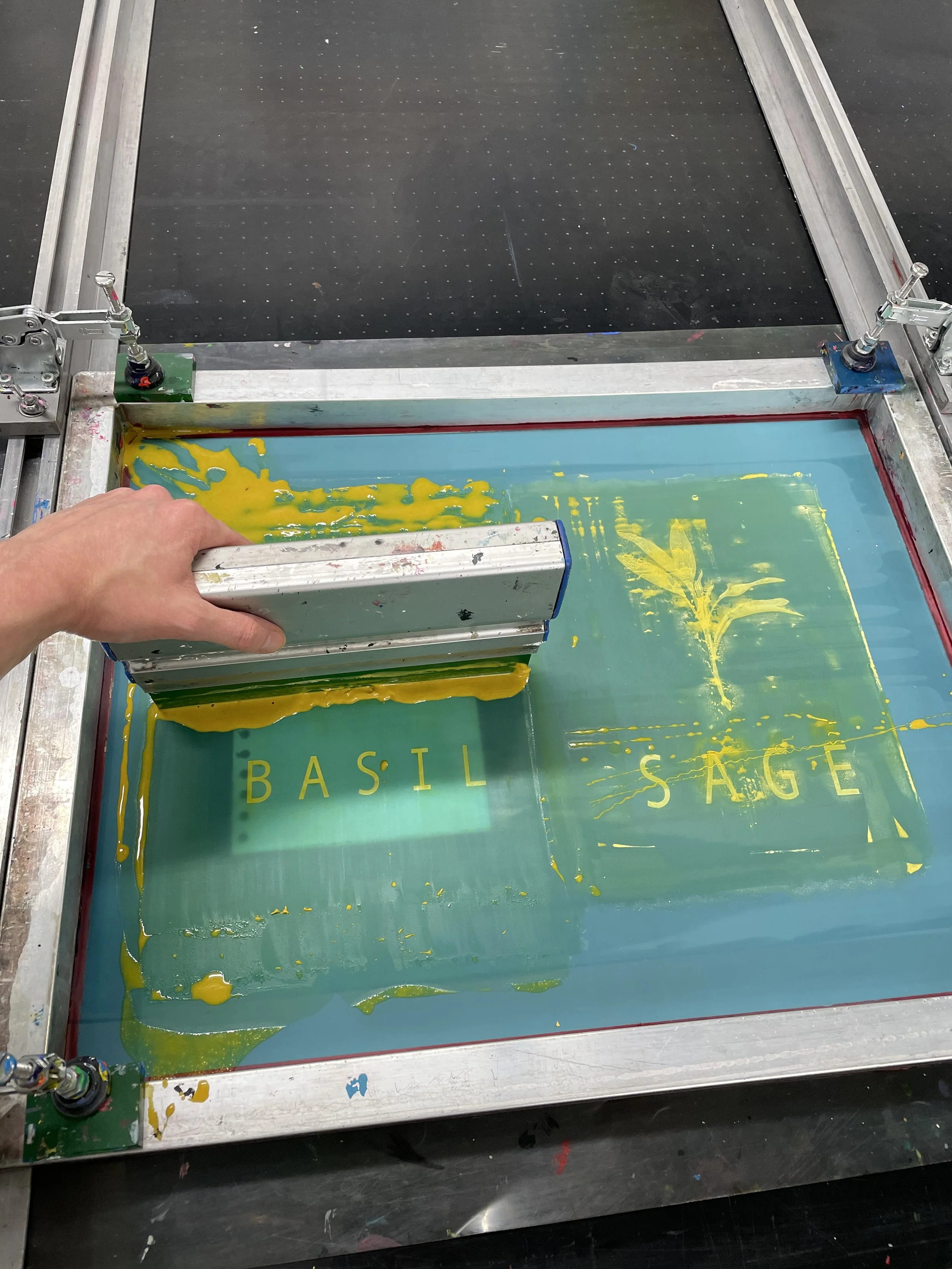
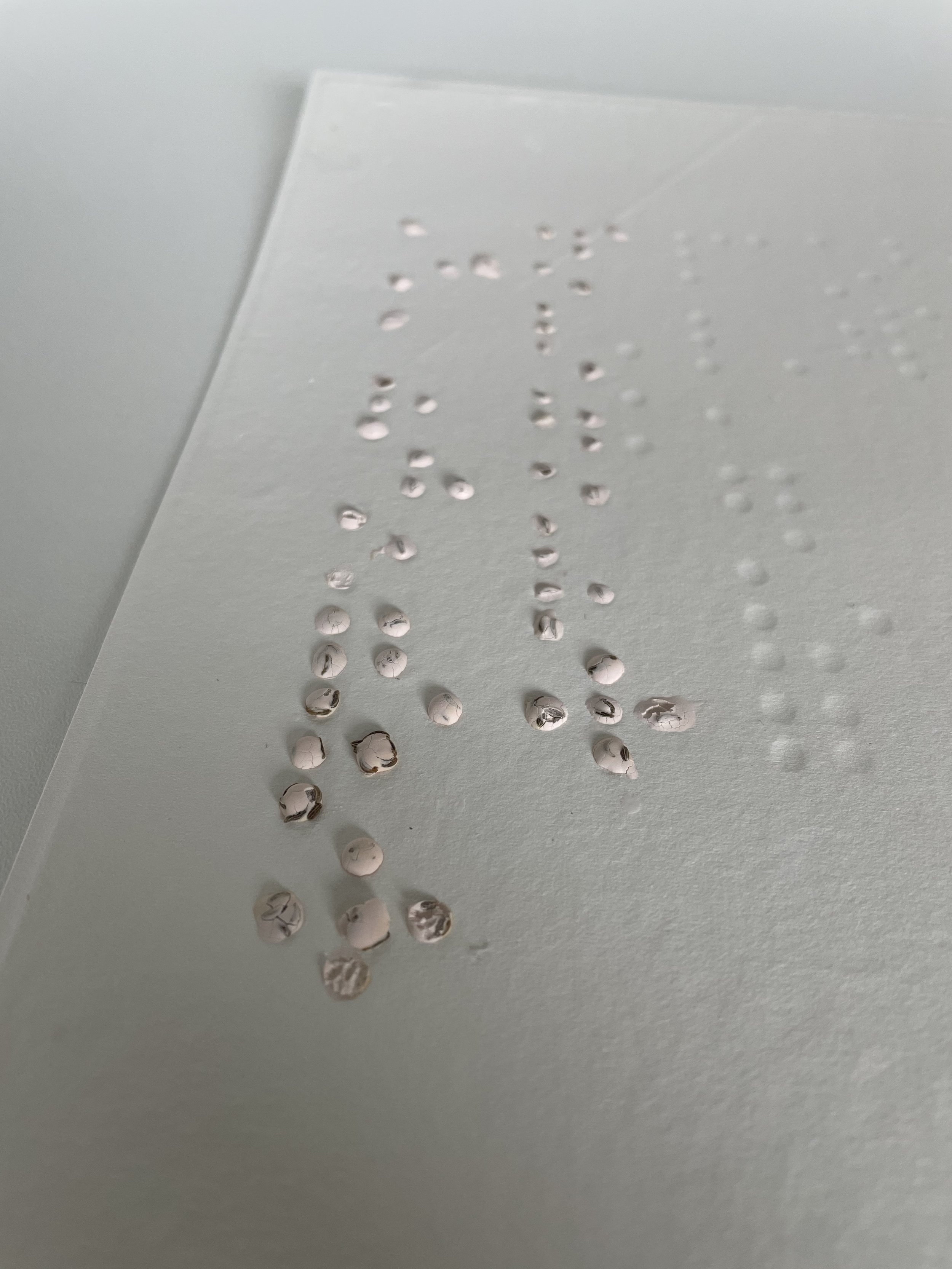
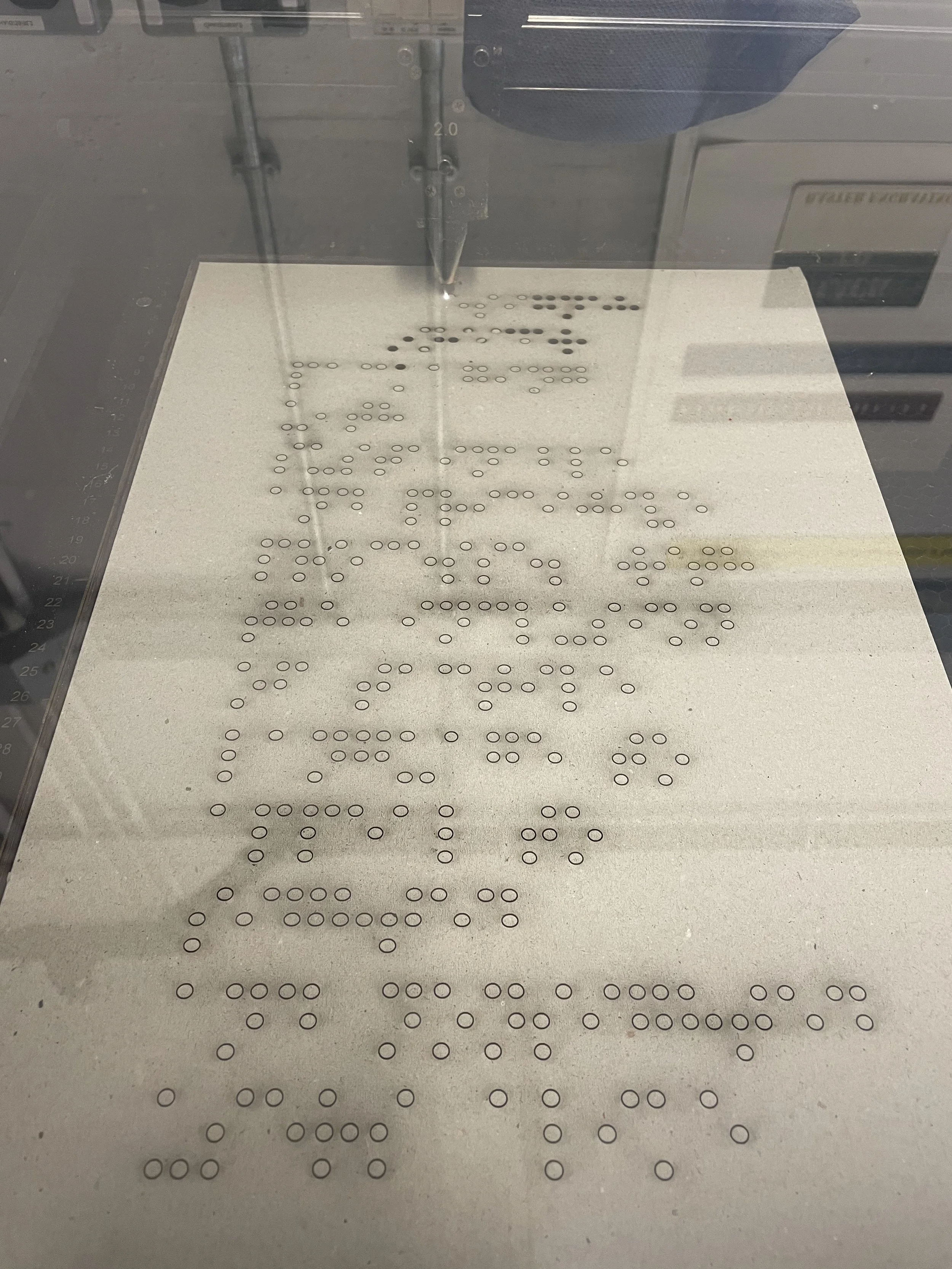
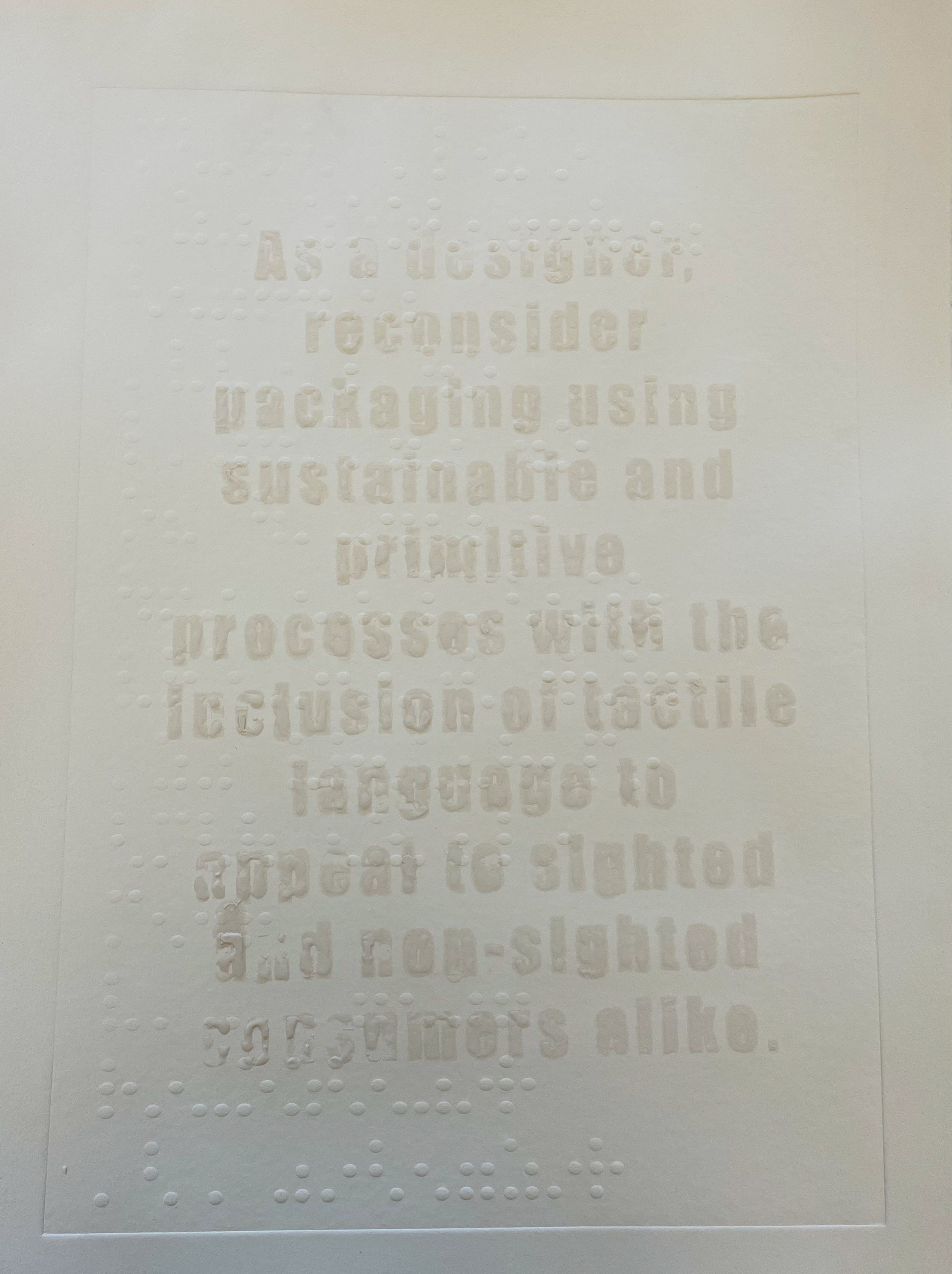
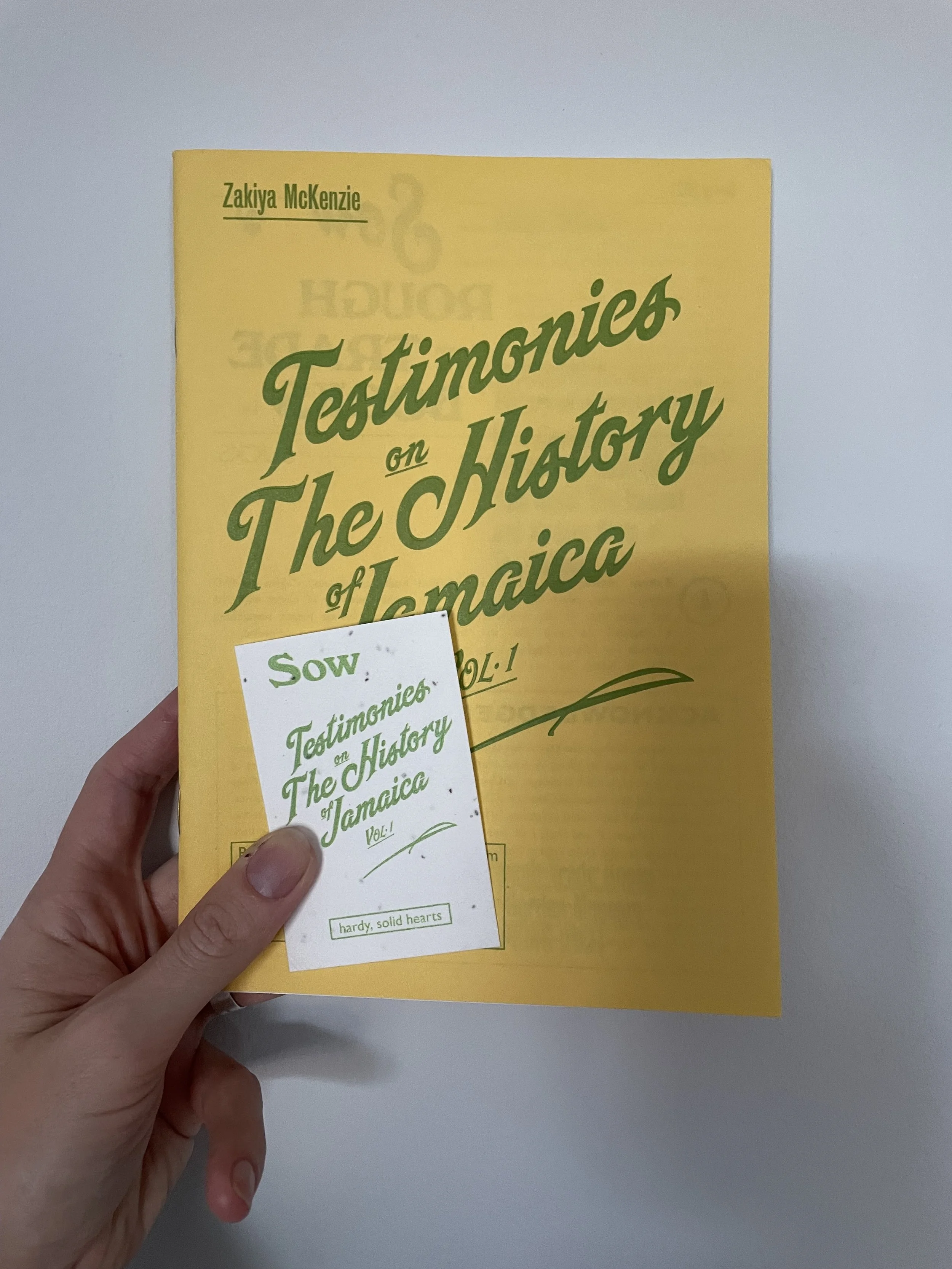
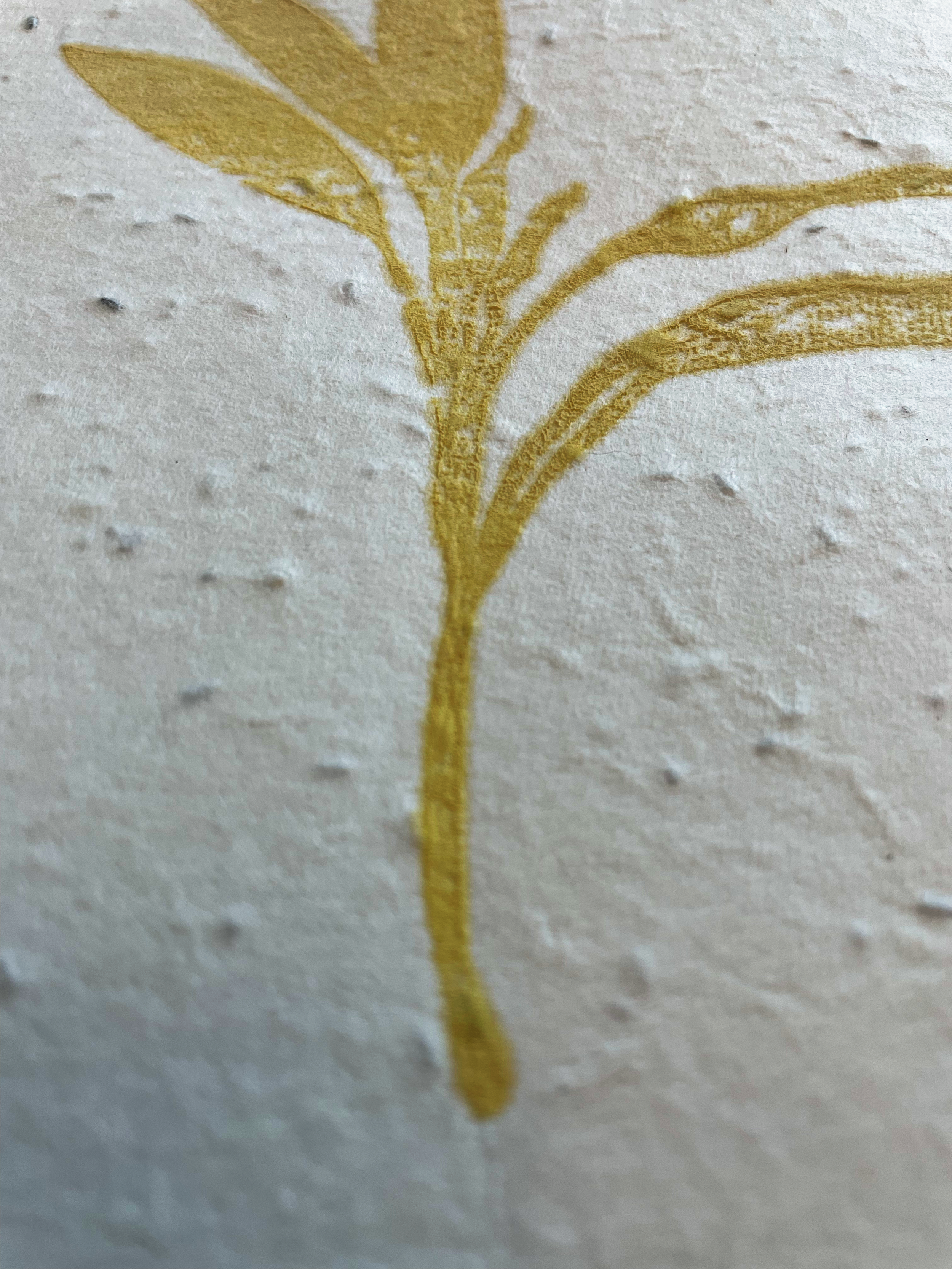
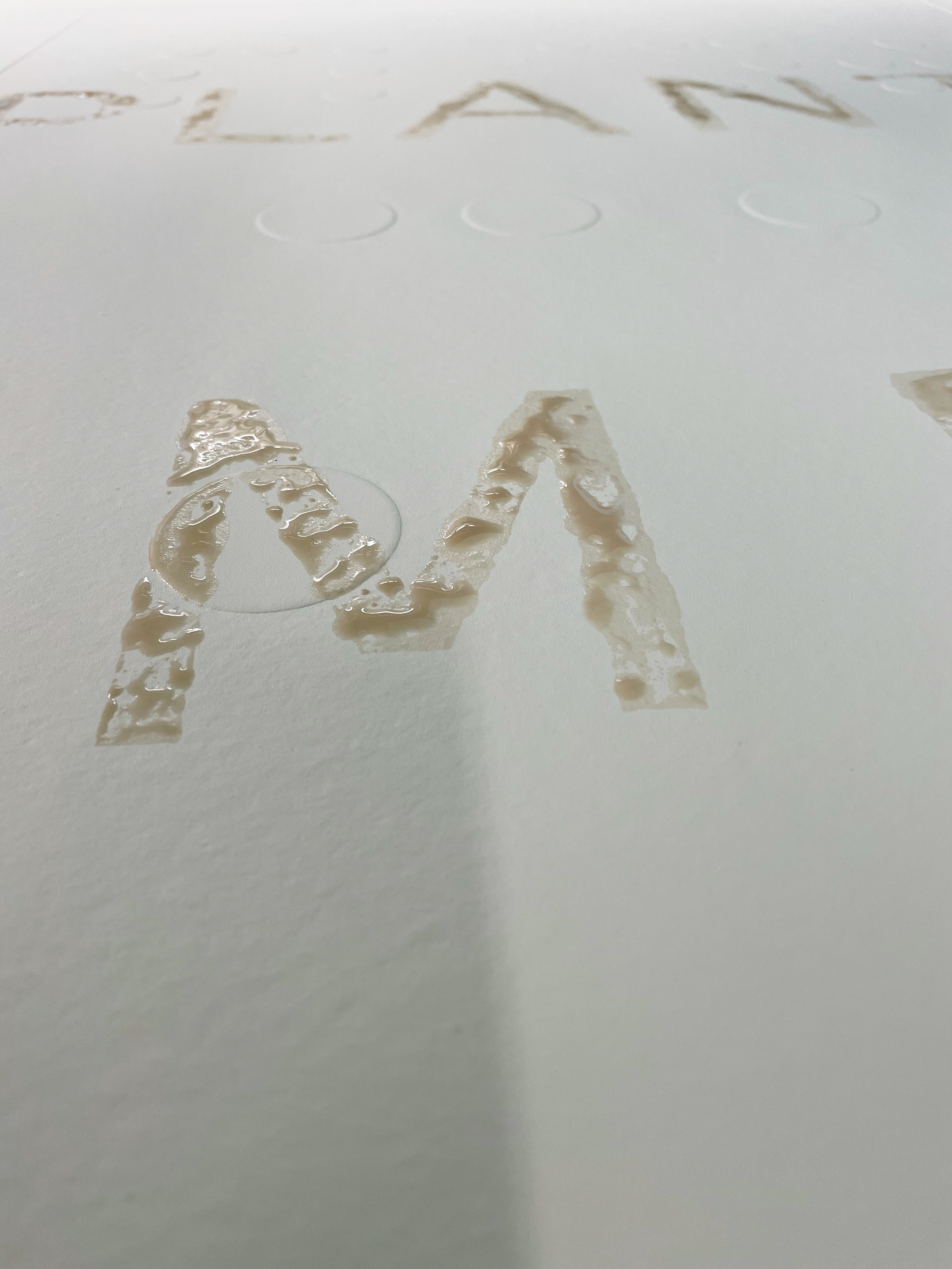
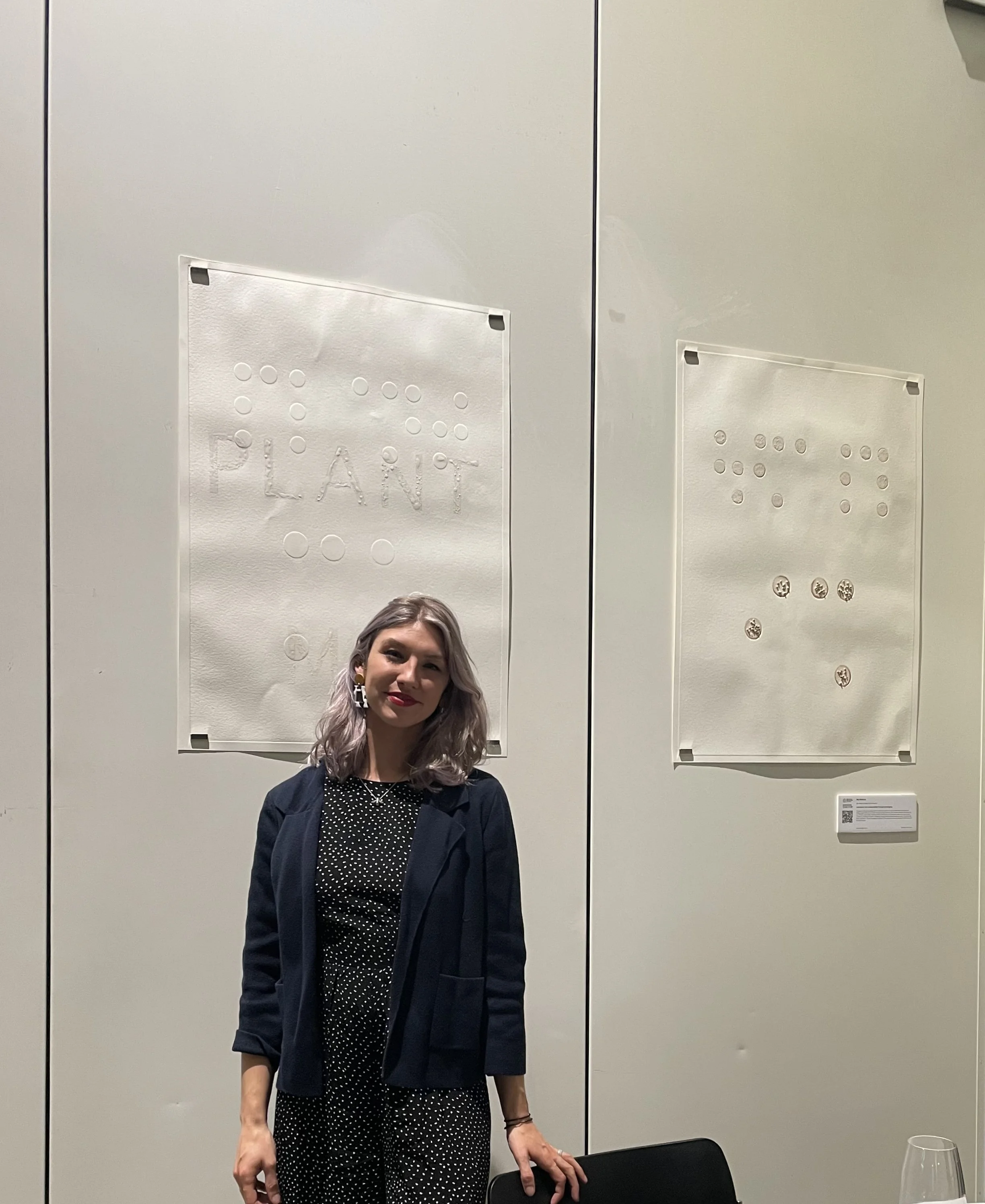
Alongside the user research, the project investigated alternative ways of producing accessible packaging using low-impact, human-led processes. I experimented with embossing Braille directly into Fabriano paper and reinforcing the raised dots with natural materials, including Bio-based mixtures, to maintain their height and legibility while allowing the packaging to be stacked. Further experimentation explored embossed QR codes, squid ink, seeded papers and screen printing using combinations of Bio and sea moss, creating packaging designed to extend its lifecycle beyond its initial use. Seed and plant-based elements allowed the materials to be repurposed after use, challenging the idea of packaging as a disposable object and exploring how accessibility and sustainability could be considered together from the beginning of the design process.